As emerging technologies continue to reshape the digital creative industries, the WDC is focused on creating and nurturing the conditions that allow ideas to scale and succeed across the West of Ireland.

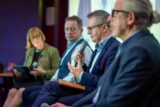
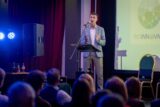
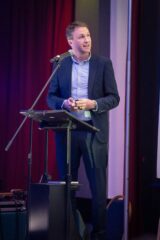
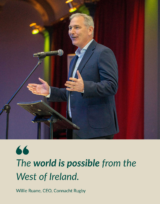
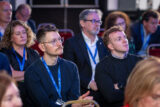
This commitment is reflected in our support for EDGE26: Ireland’s Creative Economy Summit, hosted by CREW. Taking place on 21 May 2026 in Galway, EDGE26 brings together founders, investors, policymakers, and industry leaders from across the creative spectrum, including film and television, animation, gaming, immersive technology, design, and music technology, to explore how innovation, intellectual property, and enterprise can drive future growth.

EDGE26 focuses on the opportunities and challenges facing Ireland’s creative economy. The summit aims to strengthen innovation ecosystems, highlight commercial potential, and position Ireland as a leader in the next wave of creative enterprise.

As patrons of this year’s forum, our involvement aligns with our wider mission to support sustainable economic development, enterprise, and community growth across the West. By engaging with events like EDGE26, we’re helping reinforce the networks, knowledge exchange, and collaborative momentum that underpin the conditions for creative ideas to thrive and make an impact, both regionally and beyond.

EDGE26 will feature keynote speakers, panel discussions, startup zones, and showcases designed to inspire and connect the creative community.

Visit the EDGE26 website for more information and registration details.

Book your Spot

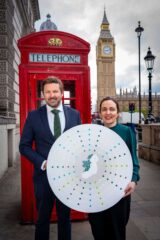
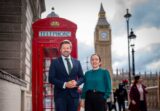
The Western Development Commission has today announced a new event in London.  

‘Plug into the West’ will take place on Wednesday 13 May 2026 at the London Irish Centre in Camden, offering London based audiences an opportunity to reconnect with the energy, ambition and creativity of Ireland’s West and Northwest. Hosted by the Western Development Commission (WDC), the event brings together people originally from the region, founders, investors, creatives and those interested in learning more about the opportunities emerging across the West and Northwest. 

The evening will highlight how the region has evolved into a place of real possibility, home to innovative startups, thriving creative industries and communities that continue to adapt and reinvent themselves. Guests will hear from founders shaping this transformation, including representatives from Galway medtech innovator FeelTect and Roscommon’s Arigna Group, whose journey from a long coalmining heritage to climate focused enterprise reflects the region’s remarkable capacity for renewal. 

Speakers from leading innovation hubs including PorterShed, CREW (Creative Enterprise West), AIM Centre and Platform 94 will share insights into the collaborative ecosystem supporting talent and enterprise across the region.  

The event will also feature stories from place-based enterprises such as Sliabh Liag Distillery in Donegal and Common Knowledge in Clare, organisations that blend craft, creativity, sustainability and community spirit. Alongside these conversations, guests will have opportunities to meet the speakers, network with peers, explore ways to reconnect with the region and enjoy cultural elements that showcase the character and charm of the West. 

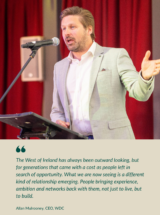
Speaking ahead of the event, Allan Mulrooney, CEO of the Western Development Commission, said: 

“The West and Northwest of Ireland are going through an incredibly exciting period, with innovation and community spirit driving real progress. We want people here in London, whether they are originally from the region or simply curious about what is happening there, to feel welcome and included. This event will create a relaxed, open space where people can meet, exchange ideas, learn about emerging opportunities and enjoy a flavour of home. Whether someone is thinking about returning, investing, collaborating or just reconnecting, we are looking forward to meeting them.” 

Throughout the evening, guests will hear the stories of the people, places and organisations shaping the development of the West and Northwest today, from founders driving innovation to community based enterprises breathing new life into local areas. The event is designed for anyone interested in connecting with the individuals behind this progress and exploring what the region has to offer through their experiences, insights and ambitions. 

Plug into the West marks the beginning of a new London based series aimed at strengthening long term connections, supporting collaboration and celebrating the people and ideas shaping the region’s future. 

Register: Plug into the West Tickets, Wednesday, May 13 from 6:30 pm to 9 pm | Eventbrite 

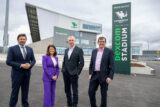
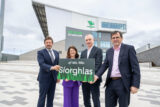
The WDC has been announced as a Silver Sponsor for the upcoming PorterShed Spark conference, taking place in Galway.

Galway will host a national gathering of global technology leaders this April as PorterShed marks ten years of building an innovation ecosystem in the West with the launch of PorterShed Spark, an invite-only one-day summit at Dexcom Stadium on 23 April 2026. Spark will bring together international venture capital, European AI infrastructure leadership and the head of Ireland’s state enterprise agency alongside founders, operators and policymakers for a future-focused conversation on what comes next for technology, entrepreneurship and innovation beyond capital cities.

Emphasising the importance of  partnership in driving growth across the West and North West, WDC CEO Allan Mulrooney said:

“At the Western Development Commission, our role is to support economic and social development across the West and North West of Ireland by backing entrepreneurs, supporting communities and helping new ideas become real opportunities. For the past ten years, PorterShed has been a key partner in that journey, a place where founders connect, challenge ideas and build companies with the potential to scale from the West to global markets. Through initiatives like the Western Investment Fund and the Connected Hubs network, we have seen first-hand the impact of strong collaboration and vibrant innovation spaces. Our new strategy places partnership at the centre of everything we do, because regions succeed when organisations work together”.

“We are delighted to support the PorterShed Spark Ten Year Event and congratulate the team on this milestone. What has been built here matters not just for Galway, but for the wider region, and we look forward to continuing this journey together over the next decade.”

A new independent socio-economic impact study by KPMG, assessing PorterShed’s contribution to the regional economy between 2016 and 2026, will be unveiled during the event. Rather than marking its ten-year milestone with reflection alone, Spark has been designed as a forward-looking convening: a curated line-up of industry leaders sharing real-world experience, emerging trends and practical insight across infrastructure, AI capacity, investment, talent and global market access.

Mary Rodgers, CEO of PorterShed, said the intention is to bring together the people actively shaping what comes next. “Spark is about bringing the right people into the room, founders, investors, infrastructure leaders and policymakers who are actively building. The West has already shown it can produce globally relevant companies. Now it’s about ambition, connection and making sure the next decade is even stronger.”

The speaker line-up reflects that ambition. Sean Blanchfield, CEO and Co-Founder of Jentic, previously co-founded Demonware, Phorest and PageFair. Demonware was acquired by Activision Blizzard and continues to power multiplayer infrastructure behind the global Call of Duty franchise, while PageFair was acquired in 2018. Blanchfield also serves on the Irish Government’s AI Advisory Council.

From the United States, Elaine Brennan, Executive Director of Global Strategic Partnerships at Northwell Health, brings experience from one of the largest healthcare systems in the US, spanning pharmaceutical, biotech and medical device innovation partnerships.

Albane Bruyas, Chief Operating Officer of Scaleway, represents Europe’s critical digital infrastructure layer. She oversees operations across 12 data centres and has led deployment of one of Europe’s largest AI cloud infrastructures, with 5,000 GPUs already active.

Also speaking is Jenny Melia, CEO of Enterprise Ireland, the state agency responsible for supporting Irish companies to grow and compete globally, bringing direct insight into how high-potential start-ups secure investment and international market access. US venture capital perspective will come from Mike Krenn, Managing Director of Prebys Ventures, a $50 million evergreen fund investing exclusively in San Diego-based life sciences and technology companies, reinvesting returns back into the region in perpetuity to strengthen the local innovation economy.

The programme also includes Mark Little, founder of Storyful (acquired by News Corp) and Kinzen (acquired by Spotify), and former Vice President for Media at Twitter in Europe; Stuart Brydson, with more than 35 years’ experience across enterprise software leaders including Siebel Systems, Oracle and ServiceNow; Paul Hayes, Founder and Director of Beachhut PR and long-time advisor to Irish start-ups; and Rob O’Shaughnessy, known globally to more than 40,000 developers as Rob Shocks, an educator in the world of AI development.

Collectively, the speakers represent expertise across venture capital, state policy, AI infrastructure, healthcare innovation, enterprise software and founder-led companies operating internationally.
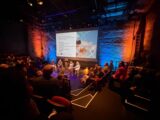
Alongside the main stage programme, companies from across the West of Ireland, from early-stage ventures to internationally active firms, will present on a dedicated demonstration stage, highlighting the pipeline of innovation emerging from the region.

The daytime programme concludes with a black-tie dinner recognising the founders, agencies and partners who have contributed to building the ecosystem over the past decade.

Find out more:  www.portershed.com/spark

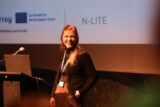
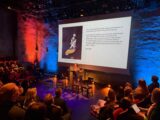
Galway became a meeting point of story, technology and regional ambition as the N-LITE Final Symposium drew international partners to the Mick Lally Theatre for a day-long exploration of how places can be experienced, and reimagined, through narrative.

Hosted by the Western Development Commission, the symposium brought together speakers from across Ireland, Finland, Norway, Sweden and the Faroe Islands, with a strong focus on how literary tourism is evolving beyond traditional formats into immersive, digital and performance-led experiences.

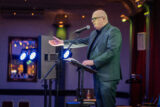
Opening proceedings, WDC CEO Allan Mulrooney set the tone by grounding the conversation in the West of Ireland’s deep storytelling tradition, from the role of the seanchaí to the global influence of Irish writers and performers. Referencing the venue itself, he noted its place in Galway’s creative history and the enduring importance of story as both cultural expression and economic driver.

“Projects like N-LITE show how technology can help reconnect people with history, culture and community in meaningful ways,” he said, adding that regional development bodies must act as “custodians of place” while embracing innovation.

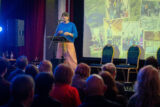
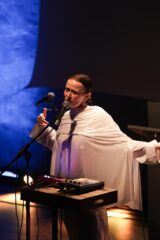
FRUM (Jenný Jónsdóttir Kragesteen) performs as part of the Faroe Island's presentation at the N-LITE Final Symposium

The morning session quickly moved from context to application. A keynote address from Sean Doran examined innovative approaches to literary tourism, challenging attendees to think beyond static heritage and towards experiences that are lived, participatory and cross-disciplinary.
That theme was brought to life through the Tale Smiths initiative, with Kyösti Koskela outlining the development of an immersive digital platform designed to translate local stories into interactive environments. Demonstrations highlighted how gaming and XR technologies can transform sites of heritage into dynamic narrative spaces.
Closer to home, storyteller Mike McCarthy and Archaeologist Daniel Curley presented on the ancient landscape of Rathcroghan, Roscommon, illustrating how myth, archaeology and digital interpretation are being combined to deepen visitor engagement with one of Ireland’s most significant heritage sites.

European partners provided further perspectives. Joonas Palsio showcased an impressionistic documentary capturing the cultural landscape of Kuhmo in Finland, while Minna Komilainin explored how storytelling is being used to create “story-led visitor journeys” across the wider Kainuu region. From the Faroe Islands, Annika Lisberg highlighted efforts to position Tórshavn as a literary destination rooted in place and identity.

The afternoon programme shifted towards practice and sustainability. Sally Murphy delivered a session on “telling better stories”, focusing on authenticity, audience connection and the role of narrative in shaping perception of place.

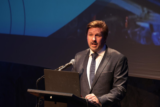
Allan Mulrooney, WDC CEO

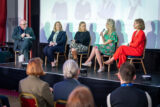
A panel discussion moderated by WDC’s Imelda McCarron brought together voices from policy, tourism and the creative industries to address a central question: how can literary tourism be sustained beyond pilot projects and funding cycles. Panellists pointed to the need for stronger alignment between culture and the night-time economy, deeper community involvement, and continued investment in digital innovation.

Galway’s own creative sector featured prominently in the closing sessions, with Emily Aherne and Jess Harkin presenting work developed through the N-LITE project that connects performance, place and audience in new ways. The day concluded with a live, performative literary tour of the city, turning Galway itself into a stage for storytelling.

Across presentations, a clear message emerged: literary tourism is no longer confined to books, plaques or guided walks. Instead, it is becoming an evolving, multi-sensory experience where story, place and technology intersect.

As the symposium closed, the focus turned firmly to what comes next, with partners signalling their intention to build on the collaborations, tools and ideas developed through N-LITE, ensuring that storytelling remains central to how regions across Europe define themselves and connect with the wider world.

The N-LITE project is funded through the Interreg Northern Periphery and Arctic Programme.

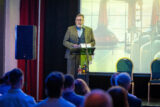
Annika Lisberg (Visit Torshavn)
Minna Komilainin (Kainuunlitto)
Sally Murphy (Welltold)

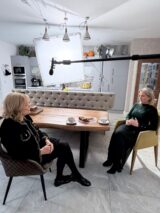
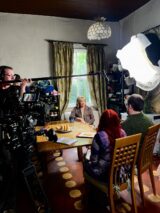
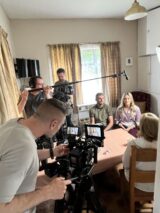
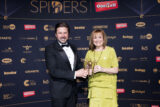
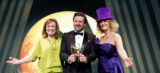
The Western Development Commission (WDC) has won the Best Collaboration Award at the 2026 Spider Awards, recognising the success of the TG4 television series Moving West, produced in partnership with TG4, Dundara Productions and supported by the Department of Rural and Community Development and the Gaeltacht.

The award was presented at the 2026 Spider Awards ceremony at the Mansion House in Dublin, Ireland’s longest running digital awards programme recognising excellence in digital media, technology and online innovation.

Now entering its fourth season, currently in final production, Moving West has become one of the most distinctive storytelling platforms highlighting life, enterprise and opportunity across the West of Ireland. Season four will air on TG4 later this year, with a broadcast date to be announced shortly.

The award recognises the strength of collaboration behind the series, bringing together public bodies, broadcasters, production partners and communities across the region to tell authentic stories about people choosing to live, work and build businesses in the West.

In addition to TG4, Dundara Productions and the Department of Rural and Community Development and the Gaeltacht, local authorities across the Western Region played an important role in supporting the production of Season 3, working with the Western Development Commission to enable the continuation of the programme and the stories it brings to national audiences.

The series follows individuals, families and entrepreneurs who have chosen to relocate to the West, capturing stories of indigenous Irish startups, small business owners, remote workers connected to global companies, and professionals linked to foreign direct investment who have built their lives and careers in the region.

Many of these stories are identified through the Western Development Commission’s work across communities and businesses throughout the region, where the organisation engages directly with local enterprises, entrepreneurs and community leaders in towns and villages across the seven county region.

Each season, the production team from Dundara Productions travels the length and breadth of the WDC region from Donegal to Clare over a three month filming period, working alongside presenter Mary Kennedy to capture these stories on location.

A key feature of the programme is its use of the Irish language, with Moving West successfully bringing stories of enterprise, innovation and regional development to Irish language audiences across the country.

The programme reflects the diversity of the Western Development Commission region, which spans seven counties along Ireland’s Atlantic seaboard and includes thousands of businesses, entrepreneurs and communities contributing to the region’s growing economic and cultural landscape.

Minister for Rural and Community Development and the Gaeltacht, Dara Calleary TD, said:

“I want to congratulate the Western Development Commission and all of the partners involved in Moving West on this well deserved recognition. The programme captures something very important about rural Ireland today. It highlights the growing number of people choosing to live, work and start businesses across our regions, while also showcasing the strength of communities and the opportunities that exist there.”

Allan Mulrooney, CEO of the Western Development Commission, said:

“This award reflects the strength of the collaboration behind the series and the power of storytelling in showing what is happening across the West of Ireland today. Through our work across the region, the WDC meets remarkable people every day. Many of the stories featured in Moving West come directly from those connections, from small business owners and indigenous Irish startups to remote workers and families choosing to build their lives in rural communities. Now entering its fourth season, the programme has created a rich tapestry of stories that show the energy, ambition and creativity that exists across the region. It also demonstrates how the Irish language can carry powerful stories about enterprise, innovation and opportunity to audiences across the country.”

Deirdre Ní Choistín, Director General of TG4, said:

“We in TG4 are delighted to collaborate with Dundara and the WDC on Moving West, a series that has connected with audiences through its authenticity, warmth and strong sense of place. The programme highlights people’s desire for connection, community and quality of life, while also showcasing the opportunity and creative energy that exist in the west of Ireland.”

Enda Grace, Producer at Dundara Television & Media, said:

“We are incredibly proud that Moving West has received the Spider Award for Best Collaboration. The series is built on a fantastic partnership between Dundara, the Western Development Commission and TG4, and on the generosity of the people across the West who share their stories with us. I also want to acknowledge the Dundara team who bring enormous care and creativity to every episode, and of course our presenter Mary Kennedy, whose warmth and insight make these stories so engaging for audiences. This award is a celebration of collaboration and of the power of storytelling.”

Mary Kennedy, presenter of Moving West, said:

“One of the great joys of presenting Moving West is travelling across the West of Ireland and meeting the incredible people who have chosen to make their lives there. Their stories are inspiring, surprising and often deeply moving, and the programme shines a light on the warmth, creativity and entrepreneurial spirit that exists in communities across the region.”

About Moving West

Moving West is a TG4 television series produced by Dundara Productions in partnership with the Western Development Commission and supported by the Department of Rural and Community Development and the Gaeltacht. Filmed across the Western Development Commission region from Donegal to Clare, the programme explores the stories of individuals, families and entrepreneurs who have relocated to the West of Ireland, highlighting the opportunities and quality of life available across the region. The third season of the programme was delivered with the support of local authorities across the Western Region, reflecting a shared commitment to showcasing the people, businesses and communities shaping the region’s future. Season four is currently in final production and will broadcast on TG4 later this year, with the transmission date to be announced shortly.

About the Western Development Commission

The Western Development Commission is a statutory agency established to promote economic and social development across the Western Region of Ireland, covering the counties of Donegal, Leitrim, Sligo, Roscommon, Mayo, Galway and Clare. Through investment, policy research and initiatives such as Connected Hubs, the WDC works to support enterprise, innovation and sustainable regional growth across the Atlantic seaboard.

Register Here

The Western Development Commission (WDC) today announced a free public event in Galway on Wednesday 25 March 2026 at the Mick Lally Theatre, bringing together Irish and international partners to share new ideas on literary tourism, digital storytelling and immersive visitor experiences. Registration is now open.

The event marks the culmination of N-LITE, a transnational project connecting the creative industries and tourism sectors across Ireland, Finland, Norway, Sweden and the Faroe Islands, funded through the Interreg Northern Periphery and Arctic (NPA) Programme. It will bring together partners, policymakers, tourism leaders, creative practitioners and youth innovators to share results and help shape what comes next for place-based literary tourism, including how rural and coastal communities can benefit from new visitor experiences built around story, culture and creativity.

Ian Brannigan, Head of Regional Development of the Western Development Commission, said: “Our strategy is focused on unlocking the potential of the Western Region by building partnerships, backing innovation, and harnessing the strengths of our culture and creativity. N-LITE shows how stories and place can be developed into visitor experiences that support local economies, strengthen communities, and create new opportunities for the next generation. This final event is where we share what has worked across five regions and build the next phase together.”

Over its lifetime, N-LITE has explored how rural and peripheral regions can transform local stories, literature and cultural identity into compelling visitor experiences, both physical and digital. The Galway event will present cross-regional learning from the five participating countries, with youth-led creative work developed across partner regions and international case studies in literary and cultural tourism. It will also focus on practical approaches to developing sustainable, year-round visitor experiences that support local economies, with discussion on how young creatives can be meaningfully involved in shaping the visitor offer, including links to the night-time economy.

A strong digital and immersive strand will run through the day, featuring interactive XR experiences and games developed through the N-LITE Tale Smiths work, live demonstrations of the Tale Smiths extended reality platform, and partner showcases of literary tourism pilots and emerging products, alongside examples of digital storytelling and social media-led place narratives.

The announcement coincides with the release of the third film in Galway Voices: Stories from the Edge, one of N-LITE’s flagship Irish initiatives. The youth-led digital series presents fictionalised portraits inspired by the lived experiences of artists and cultural workers in Galway’s Westend. Produced by Hysteria Productions and directed and edited by Bit Dramatic Films, the series forms part of a Video Portrait Trail across the Westend, enabling audiences to experience the stories in place via QR codes at participating venues. The initiative is delivered with support from Galway’s Westend Traders and Galway City Council.

Attendance at the event is free, but registration is essential. Registration is available via Eventbrite

Register Here

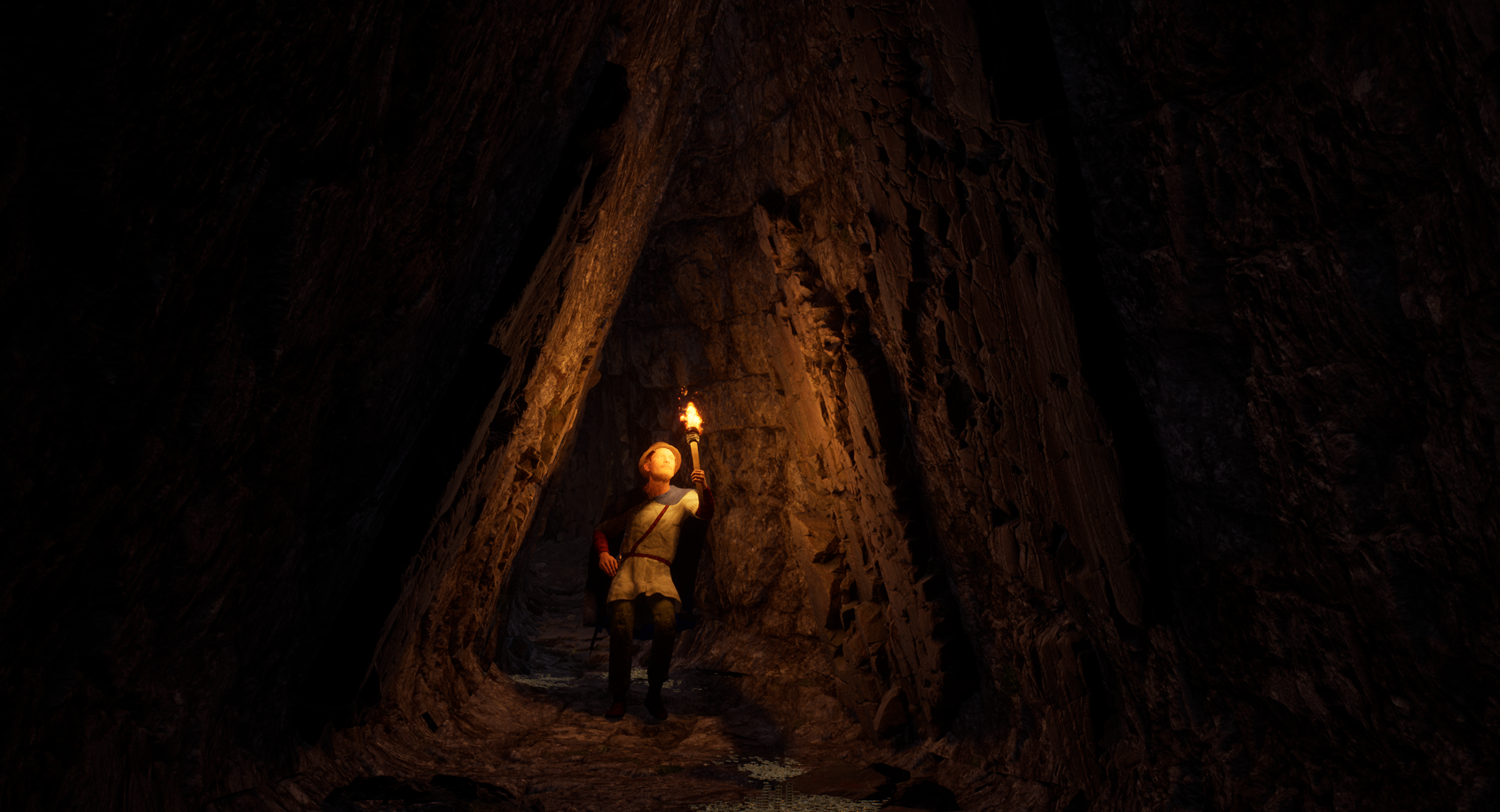
A scene from the immersive digital experience developed through N-LITE at Rathcroghan Visitor Centre, where visitors can explore an interactive walkthrough of Oweynagat

Image: Liam Horan, Connected Hubs, presents at a workshop of CODIL partners.

Ireland’s Connected Hubs model is now supporting the development of structured coworking networks in France and Finland through an EU pilot action.

Led in Ireland by the Western Development Commission (WDC) and sponsored by the Department of Rural and Community Development and the Gaeltacht, Connected Hubs has grown into a national network of more than 400 digitally enabled hubs. Through the CODIL pilot action, funded under the EU’s Interreg Europe programme, that experience is now informing how other European regions organise hub networks, develop shared digital platforms and embed remote working infrastructure within regional policy.

In Mayenne, France, approximately 15 coworking hubs are now participating in a structured regional network, supported by monthly steering meetings. A new landing-page website, drawing inspiration from the Connected Hubs model, will soon be launched, featuring a regional hub map and shared events diary. Discussions with Laval Agglomeration and the County of Mayenne have also confirmed that the hub network will be integrated into the county’s new attractiveness roadmap.

In South Ostrobothnia, Finland, open days brought together hub operators, entrepreneurs, students and remote workers to explore the future of community-based workspaces. The event highlighted the success of the five-year Jamsantehtaat remote working space and included a participatory workshop to design a future ‘dream hub’ concept.

“The expansion of the Connected Hubs approach into Europe shows that distributed working is no longer an experiment. Regions are actively looking for structured ways to support talent, enterprise and community connection. CODIL gives us a framework to share what works and adapt it locally.”  Stephen Carolan, Head of Connected Hubs and Digital Innovation, WDC

The Connected Hubs model combines shared digital infrastructure, hub manager onboarding and training, coordinated marketing and alignment across a wide variety of policy areas. Through CODIL, partners are adapting these principles to their own governance and funding environments.

“The pilot also places a strong emphasis on monitoring and impact measurement, with partners agreeing to refine key performance indicators in the coming months to ensure that economic and social outcomes are clearly documented.”  Stephen Carolan, Head of Connected Hubs and Digital Innovation, WDC

“As remote and hybrid working continues to reshape regional economies, the CODIL Pilot Action demonstrates how structured hub networks can move from national initiative to European collaboration, in the process supporting talent retention, local enterprise and stronger communities across regions.”  Stephen Carolan, Head of Connected Hubs and Digital Innovation, WDC


About the CODIL Project

What is the CODIL pilot action?

CODIL is an EU-funded pilot action under the Interreg Europe programme. It brings together partners from Ireland, France and Finland to share experience and learning around building structured regional coworking hub networks. The project uses Ireland’s Connected Hubs model as a reference point, adapting its principles to different regional governance and funding environments across Europe.

What is the Interreg Europe programme?

Interreg Europe is a European Union funding programme that supports interregional cooperation across EU member states. It enables regional governments, public authorities and organisations to share experience and good practice on topics including innovation, environmental sustainability, and the digital and social economy. CODIL is one of several pilot actions supported under the programme.

Which countries are involved in CODIL?

The CODIL pilot action currently involves three countries: Ireland, France and Finland. In France, the project is focused on the Mayenne region, where approximately 15 coworking hubs are now participating in a structured regional network. In Finland, the project is focused on South Ostrobothnia, where open days have brought together hub operators, entrepreneurs and remote workers to explore the future of community-based workspaces.

What is the Connected Hubs model?

The Connected Hubs model is Ireland’s approach to building a national network of digitally enabled coworking and remote working hubs. It combines shared digital infrastructure, hub manager onboarding and training, coordinated marketing, and policy alignment across a wide range of areas. The network is led in Ireland by the Western Development Commission (WDC) and sponsored by the Department of Rural and Community Development and the Gaeltacht. It now includes more than 400 hubs across every county in Ireland.

Who leads the CODIL project in Ireland?

CODIL is led in Ireland by the Western Development Commission (WDC), which also leads the Connected Hubs national network. Liam Horan at the WDC, is the lead Irish representative on the project.

Where can I find out more about Connected Hubs?

The full Connected Hubs network, including hub listings, booking and business supports, is available at connectedhubs.ie.


Take the Survey

The Western Development Commission (WDC) is inviting Blue Economy organisations to take part in a major European market survey being delivered through GoNaturePositive!, an EU-funded project supporting the transition to a nature-positive economy.

The survey will gather insights from businesses and organisations working across marine and coastal sectors on what is currently working, what challenges are being experienced, and what types of supports are needed to help accelerate nature-positive practices.

The Blue Economy represents a significant opportunity for sustainable regional growth. By contributing to this European study, organisations in the region can help ensure that the needs, opportunities and challenges facing coastal and marine enterprises are reflected in future policy, supports and investment priorities.

The findings will contribute to a broader understanding of how businesses are adopting nature-positive approaches and where further supports may be needed to help organisations adapt, innovate and grow. Insights gathered will inform future strategies and support mechanisms across Europe, while also helping to highlight opportunities for enterprises operating along Ireland’s Atlantic coast.

WDC is a partner in the GoNaturePositive! project and is working with European partners to support the development of a nature-positive economy that balances environmental sustainability with economic opportunity. This work aligns with WDC’s wider focus on supporting sustainable enterprise development, strengthening the green economy and unlocking the potential of the region’s natural assets.

Organisations that take part will gain access to the survey findings and market analysis, and can also opt to join the Nature-Positive Pioneer Community, a European network of organisations leading the transition to nature-positive business models.

Blue Economy organisations can take part in the survey below.

Take the Survey

Blue Economy Info GNP!

The WDC has prepared a new series of county-by-county statistical factsheets, drawing on data from the Central Statistics Office (CSO) and analysed by the WDC. The series provides an accessible snapshot of the latest Census and wider socio-economic data across the region.

Developed to support informed decision-making, the factsheets bring together key indicators on population, employment, connectivity, health and infrastructure, giving communities, businesses and policymakers a clear, evidence-based picture of how each county is evolving.

County Factsheets

————————————————————————————————-

Tá sraith nua de bhileoga eolais staitistiúla contae ar chontae ullmhaithe ag an WDC, ag baint as sonraí ón Lár-Oifig Staidrimh (CSO) agus anailísiú déanta ag an WDC. Is léargas inrochtana í an tsraith ar an Daonáireamh is déanaí agus ar shonraí socheacnamaíocha i gcoitinne ar fud an réigiúin.

Forbraíodh na bileoga eolais chun tacú le cinnteoireacht fheasach, agus tugann siad príomhtháscairí le chéile maidir le daonra, fostaíocht, nascacht, sláinte agus bonneagar, rud a cruthaíonn pictiúr soiléir, fianaise-bhunaithe do phobail, do ghnólachtaí agus do lucht déanta beartas, ar an gcaoi a bhfuil gach contae ag forbairt.

The Western Development Commission (WDC) welcomed partners and stakeholders to Galway for the GH2M (Green Hydrogen Mobility) Interregional Policy Learning Exchange, bringing together European regions to explore how hydrogen can support cleaner transport and logistics.

Hosted at Galway Chamber, the event forms part of the GH2M project, which aims to accelerate the adoption of hydrogen solutions across Europe by sharing knowledge, experience and policy approaches between regions.

The day opened with welcoming remarks from Ian Brannigan, Head of Regional Development at the WDC, alongside a welcome from Stara Zagora Regional Economic Development Agency, the GH2M project lead partner. Participants also heard an introduction to the SH2amrock project from Pau Farràs of the University of Galway, highlighting research and innovation underway in Ireland to support the development of hydrogen as a low carbon energy option.

The programme included a guided site visit to the Port of Galway, where participants explored the potential role hydrogen could play in port activity and maritime logistics in the future. The visit provided an opportunity to consider how emerging energy solutions could support cleaner operations across transport and supply chains, particularly in settings where reducing emissions can be more challenging.

A stakeholder exchange session followed, featuring insights from organisations working on hydrogen innovation, infrastructure and logistics across Europe. Speakers included Sander Bijkerk of Drenthe Hydrogen Valley, Josef Drázský of Gasnet’s Training Facility, Donegal County Council, which presented on the Green Hydra Project, and contributions from Aer Arann, Atlantic Technological University, and ESB on research, innovation and the role renewable hydrogen could play in supporting a secure, reliable low carbon energy system.

The exchange forms part of a two-day programme bringing together GH2M partners and regional stakeholders to discuss practical challenges and opportunities in using hydrogen across urban, industrial and commercial logistics. Through dialogue and shared learning, the project aims to help regions develop policies and supports that enable the move towards cleaner transport systems.

Hosting the exchange in Galway provides an opportunity to connect stakeholders in the West and North West of Ireland with European partners working on hydrogen innovation, helping identify opportunities for sustainable transport, infrastructure development and enterprise growth. It also reflects the WDC’s focus on sustainable regional development through innovation, partnership and international collaboration, supporting the transition to a more resilient, low carbon regional economy.

Learn more about GH2M.

The European Commission has confirmed that the Northern and Western Region of Ireland will be reclassified as a More Developed Region for the 2028 to 2034 EU funding period.

This decision reflects strong economic growth across parts of the region over the past decade. Based on regional GDP data from 2022 to 2024, the Northern and Western Region now stands at 103 percent of the EU average, moving it above the threshold for Transition Region status.

This is an important milestone. It reflects sustained enterprise growth, continued job creation and the success of many indigenous and internationally trading companies across the region.

However, the headline figure masks significant differences within the region.

During the same period, the West region recorded GDP at 132.3 percent of the EU average, while the Border region stood at 69.7 percent. This contrast is stark and highlights why balanced regional development remains essential.

The move to More Developed Region status will reduce EU co funding rates from approximately 60 percent to 40 percent in most cases, with 50 percent applying in certain programmes. While this represents a change in how projects may be funded, Ireland’s strong national finances mean there is a clear opportunity for Government to maintain investment levels in the West and North West.

Higher EU co funding rates have not always translated into proportionately higher levels of public investment in the region. The change in classification should therefore not be seen as a signal that the need for investment has reduced. Rather, it sharpens the focus on the importance of sustained national investment in infrastructure, enterprise and place based development.

Longstanding infrastructure gaps remain a structural barrier to balanced growth. Continued investment will be needed in transport connectivity, energy grid capacity, water and wastewater services, access to health services and third level education, and the strengthening of enterprise, research and innovation systems across the region.

The delivery of key infrastructure projects in the West and North West over the coming decade will be instrumental in supporting balanced development both between regions and within the Northern and Western Region itself.

Ireland’s National Planning Framework and the National Development Plan Review commit to achieving levels of growth in the Northern and Western and Southern Regions that match projected growth in the Eastern and Midlands Region. This reclassification should now serve as an important test of that national commitment to balanced regional development.

Regional growth does not happen by accident. It is built through sustained investment in enterprise, innovation, infrastructure and communities. Programmes that support indigenous business, improve access to finance and strengthen local enterprise ecosystems will remain central to long term regional resilience.

For the Western Development Commission, this reinforces the importance of a strong regional focus.

Our current strategy focuses on enabling enterprise ecosystems, strengthening partnerships, building sustainable communities and supporting social innovation across all counties of the Western Region. The complexity within the Northern and Western Region demonstrates why regional institutions with local knowledge and a place based perspective continue to matter.

While this reclassification reflects real progress, it also highlights the need to ensure that no part of the region is left behind because of where it is located.

Counties along the Border continue to face structural challenges that require targeted and sustained investment if they are to reach their full potential.

The move to More Developed Region status should therefore be seen as both a positive milestone and a call to maintain momentum.

With strong national finances and a clear policy commitment to balanced development, the coming decade presents an opportunity to ensure that growth is shared more evenly across the West and North West.

Balanced development must remain at the centre of national decision making.


The BIOCHAR Project has officially launched, marking a major step in turning biochar research into practical climate solutions for agriculture, construction and industry. 

Minister for Agriculture, Food and the Marine, Martin Heydon TD, and Minister for Climate, Energy and the Environment, Darragh O’Brien TD, have announced €5 million in funding for the BIOCHAR project, which is being led by the University of Limerick. 

The project will be delivered in Ireland’s Just Transition region, supporting rural communities as they adapt to climate action through innovation, skills development and sustainable economic opportunity.

BIOCHAR aims to maximise the visibility, uptake and scalability of project results by delivering targeted dissemination and exploitation activities that translate biochar research into practical, sector-specific insights for agriculture, construction, industry, policymakers and rural communities. 

Biochar – a carbon-rich material produced from sustainably sourced biomass has the potential to improve soil health, reduce greenhouse gas emissions, enhance construction materials and support circular economy value chains. The project focuses on ensuring that these benefits are accessible, economically viable and aligned with regional and national climate goals. 

The BIOCHAR Project will deliver tailored engagement activities, sector-focused resources and knowledge-sharing initiatives designed to support uptake of biochar solutions, while also informing policy development and future investment decisions. 


J.J Leahy, Project Lead at University of Limerick, highlighted the project’s focus on impact and collaboration: 

BIOCHAR is about moving from research to real-world application. By working closely with partners and rural communities, we are ensuring that biochar solutions are practical, scalable and capable of delivering long-term value as part of Ireland’s climate transition.”

Bringing together research organisations, industry partners, policymakers and community stakeholders, the project will engage participants across the Just Transition region and beyond, ensuring that project outcomes are widely shared and embedded beyond the project’s duration. The project is co-funded by the Government of Ireland and the European Union through the EU Just Transition Fund. 

The WDC will join the project as a consortium partner, leading the development and delivery of a voucher scheme to support entrepreneurs in the Just Transition Fund region engaged in biochar production, a novel approach for the sector. Alongside the knowledge generated throughout the project, this will deliver valuable insights for sector development within the JTF region and more broadly, supporting circular bioeconomy initiatives across the Western Region and nationally.

This work also builds on our experience in the RE-DIRECT project (2016–2023), which supported regional businesses in emerging biomass markets.