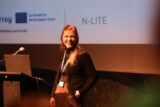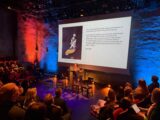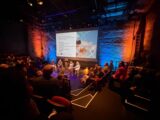
Galway became a meeting point of story, technology and regional ambition as the N-LITE Final Symposium drew international partners to the Mick Lally Theatre for a day-long exploration of how places can be experienced, and reimagined, through narrative.
Hosted by the Western Development Commission, the symposium brought together speakers from across Ireland, Finland, Norway, Sweden and the Faroe Islands, with a strong focus on how literary tourism is evolving beyond traditional formats into immersive, digital and performance-led experiences.
Opening proceedings, WDC CEO Allan Mulrooney set the tone by grounding the conversation in the West of Ireland’s deep storytelling tradition, from the role of the seanchaí to the global influence of Irish writers and performers. Referencing the venue itself, he noted its place in Galway’s creative history and the enduring importance of story as both cultural expression and economic driver.
“Projects like N-LITE show how technology can help reconnect people with history, culture and community in meaningful ways,” he said, adding that regional development bodies must act as “custodians of place” while embracing innovation.
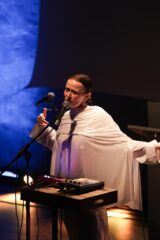
The morning session quickly moved from context to application. A keynote address from Sean Doran examined innovative approaches to literary tourism, challenging attendees to think beyond static heritage and towards experiences that are lived, participatory and cross-disciplinary.
That theme was brought to life through the Tale Smiths initiative, with Kyösti Koskela outlining the development of an immersive digital platform designed to translate local stories into interactive environments. Demonstrations highlighted how gaming and XR technologies can transform sites of heritage into dynamic narrative spaces.
Closer to home, storyteller Mike McCarthy and Archaeologist Daniel Curley presented on the ancient landscape of Rathcroghan, Roscommon, illustrating how myth, archaeology and digital interpretation are being combined to deepen visitor engagement with one of Ireland’s most significant heritage sites.
European partners provided further perspectives. Joonas Palsio showcased an impressionistic documentary capturing the cultural landscape of Kuhmo in Finland, while Minna Komilainin explored how storytelling is being used to create “story-led visitor journeys” across the wider Kainuu region. From the Faroe Islands, Annika Lisberg highlighted efforts to position Tórshavn as a literary destination rooted in place and identity.
The afternoon programme shifted towards practice and sustainability. Sally Murphy delivered a session on “telling better stories”, focusing on authenticity, audience connection and the role of narrative in shaping perception of place.
A panel discussion moderated by WDC’s Imelda McCarron brought together voices from policy, tourism and the creative industries to address a central question: how can literary tourism be sustained beyond pilot projects and funding cycles. Panellists pointed to the need for stronger alignment between culture and the night-time economy, deeper community involvement, and continued investment in digital innovation.
Galway’s own creative sector featured prominently in the closing sessions, with Emily Aherne and Jess Harkin presenting work developed through the N-LITE project that connects performance, place and audience in new ways. The day concluded with a live, performative literary tour of the city, turning Galway itself into a stage for storytelling.
Across presentations, a clear message emerged: literary tourism is no longer confined to books, plaques or guided walks. Instead, it is becoming an evolving, multi-sensory experience where story, place and technology intersect.
As the symposium closed, the focus turned firmly to what comes next, with partners signalling their intention to build on the collaborations, tools and ideas developed through N-LITE, ensuring that storytelling remains central to how regions across Europe define themselves and connect with the wider world.
The N-LITE project is funded through the Interreg Northern Periphery and Arctic Programme.