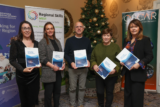
Read the Powered by AI: Unlocking SME Growth in the West report

A groundbreaking new report, Powered by AI: Unlocking SME Growth in the West, has been launched today at the Galway Bay Hotel, offering the first region-specific evidence of how small and medium-sized enterprises across Galway, Mayo and Roscommon are engaging with Artificial Intelligence and where targeted supports are most needed to accelerate adoption.

The study, led by itag/EMBRAISME and Regional Skills West, in partnership with the Western Development Commission and written by Atlantic Technological University, brings together survey data, interviews, and case studies from SMEs across the West. It highlights both the significant appetite for AI-driven innovation and the practical challenges companies face in skills, funding, infrastructure, and readiness.

Allan Mulrooney, CEO of the Western Development Commission, said: “This research highlights the West’s strong potential to lead in responsible, regionally grounded AI adoption. With the right alignment of enterprise supports, digital infrastructure and skills development, we can ensure SMEs are ready to thrive in a changing economy.”

Speaking at the launch, representatives from the project partners emphasised the importance of strengthening AI capability in the region. The report reveals that while many SMEs are experimenting with AI for efficiency, customer service, automation and data insights, a substantial proportion remain at early stages of awareness and exploration.

Key findings from the report include strong regional interest in AI, but varying levels of adoption readiness across companies, alongside a clear need for targeted, practical training pathways to help SMEs move from pilot activity to meaningful implementation. The research also highlights the importance of wrap-around supports, including funding advice, peer learning, mentorship, and access to expert technical guidance, as well as the potential for AI to significantly improve productivity, export competitiveness and innovation capacity in the West, if the right enablers are in place.

The report outlines a set of actionable recommendations for industry, government, education providers and regional support agencies. These include coordinated AI upskilling pathways, a shared regional AI knowledge hub, and deeper collaboration between SMEs, higher education and national enterprise agencies.

Denise Rocks, Regional Skills West Manager, noted that the study “captures what SMEs are really saying on the ground; what’s working, what’s challenging, and what supports will make the biggest difference as AI becomes a core part of doing business.”

David Bermingham, embrAIsme Project Manager, itag, said: “Our mission is to make AI accessible for every SME, not just early adopters. These insights show that with the right guidance, training, and community of practice, companies of all sizes in the West can benefit from AI-driven innovation.”

George Onofrei, Atlantic Technological University (ATU), said: “As a university serving the entire region, ATU is committed to providing industry-focused education and research that supports AI capability building. The report highlights the need for practical, scalable learning pathways—something we are ready to deliver in partnership with industry.”

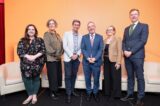
A panel of industry speakers at the launch shared real-world examples of AI adoption, demonstrating both its potential and the need for continued investment in skills and capability building.

The partners will now translate the findings into action by working to expand regional training pathways, strengthen access to expert guidance, and establish a shared AI knowledge hub for SMEs across the West.

Read the Powered by AI: Unlocking SME Growth in the West report

The Western Development Commission (WDC) has announced a milestone achievement as it reaches its 50th investment in MedTech and Life Sciences companies, reinforcing the Western Region’s reputation as a global centre of excellence for medical innovation, research, and manufacturing. 

Established as Ireland’s only evergreen investment fund, the Western Investment Fund plays a uniquely catalytic role by reinvesting all returns back into the region. Over 25 years, the fund has become one of the largest indigenous MedTech portfolios in the country, supporting companies that have collectively spent €420 million on R&D, generated more than 1,000 patents, and produced technologies that treat millions of patients worldwide.  

WIF backed portfolio companies have generated €1.7 billion in revenues (€4.8 billion on an economy-wide basis), created almost 6000 direct and indirect jobs, and attracted more than €400 million in leveraged public and private investment, representing a 13-times multiplier on WIF’s own contribution. A further €600 million has been realised through trade sales and exits, many of which have brought significant foreign direct investment into the region. 

Breakthrough companies supported by the fund include Aerogen, Neuravi, Cambus Medical, Whiteswell, Bluedrop Medical, Amara Therapeutics, Vivasure Medical, Signum Surgical and Aurigen Medical. The companies supported are developing disruptive, patient-focused technologies across acute care, stroke treatment, digital therapeutics, microtissue screening, and vaccine production. 

These innovations have targeted urgent global needs including heart failure, diabetic care, women’s health, infectious disease, and minimally invasive surgical technologies. 

The WIF’s impact is underpinned by a deep collaborative ethos spanning founders, investors, multinational acquirers, universities, research institutes, and state partners. Its long-standing relationships with University of Galway, the Atlantic Technological University (ATU), Enterprise Ireland, and a vibrant angel investor community have been central to its success. 

The fund has also helped seed 12 BioInnovate spinouts, supported dozens of ATU iHub companies, and contributed to emerging innovation clusters such as CREW and the AIM Centre. 

Allan Mulrooney, CEO of the Western Development Commission, said: 

“Reaching our 50th MedTech investment is more than a milestone; it is a testament to the vision, ambition, and resilience of founders across the West and Northwest of Ireland. These entrepreneurs are developing technologies that save lives, transform patient care, and compete on the world stage. Our role is to back them early, share their journey, and ensure that regional innovation has the funding and support it needs to thrive. This achievement shows what patient, place-based investment can deliver for Ireland’s economy and society.” 

Gillian Buckley, Head of Investment at the WDC, added: 

“From our very first MedTech investment to our 50th, the Western Investment Fund has always believed in the power of collaboration. Our companies have attracted over €400 million in additional funding, generated €2.4 billion for the Irish economy, and created a virtuous cycle where founders become repeat entrepreneurs, angel investors, and mentors. The Western Region is now recognised internationally for MedTech excellence, and the WDC is proud to have played a central role in building that ecosystem.” 

Barry Comerford, Co-Founder of Cambus Medical and former director of Freudenberg Medical, said: 

“The support of the Western Investment Fund has been absolutely vital to the growth and resilience of the MedTech sector in the West. Their commitment goes far beyond funding; they understand the challenges of building and scaling high-tech companies outside the main urban centres. That kind of patient, regionally focused investment has helped create not only jobs, but an ecosystem where innovation and collaboration can truly thrive.” 

The fund’s impact extends beyond finance. WIF-backed companies boast 70 percent graduate employment, strong gender diversity in leadership, and a growing cohort of serial founders who continue to invest in and mentor the next generation of innovators. In addition to its MedTech strengths, the WDC also invests in a wide range of other sectors, with a portfolio of over 150 SMEs spanning technology, creative industries, renewable energy, and high-potential rural enterprises. 

Looking ahead, The WDC will continue to scale its impact, reinvesting returns, expanding partnerships, and supporting disruptive technologies that address some of the world’s most pressing health challenges. 

The Western Development Commission (WDC) has opened applications for creative enterprises and innovation-focused startups and SMEs from the West and Northwest to join the new Landing Studio at CREW Galway, launching in January 2026.

The Landing Studio is a pilot initiative designed to primarily support regionally based creative businesses to access a high-quality support infrastructure in a collaborative innovation space at CREW in Galway City. The studio will enable companies to experiment with new technologies, explore creative possibilities, and work across sectors to develop new products and services. By bringing creative and innovation-driven businesses into CREW, the WDC aims to stimulate collaboration, share expertise, and strengthen the creative economy across all counties in the WDC region.

Located within CREW, Galway’s and the region’s leading creative enterprise and innovation hub, the studio will help to connect companies with resources, networks, and expert support to help them develop and grow. CREW was established in 2024 by Atlantic Technological University (ATU) and the WDC, with Enterprise Ireland as a key partner. The Landing Studio marks the next step in the WDC’s ongoing collaboration with CREW to grow the region’s creative industries.

We have cultivated deep expertise in Galway, particularly in creative technologies, digital storytelling, and design-led innovation. Now, our focus is to broaden that expertise across the West and Northwest. The Landing Studio will act as a space for experimentation and collaboration, helping companies scale and bring new capabilities back to their local communities. Ultimately, this initiative is about creating a sustainable, region-wide creative economy.

Allan Mulrooney, CEO of the Western Development Commission

Selected start-ups and SME’s will receive dedicated workspace at the Landing Studio until the end of 2026. AIM, the AI and Innovation Centre based in Sligo, will join the Landing Studio as an anchor tenant, bringing expertise in artificial intelligence and emerging technologies. While AIM continues to operate and scale in Sligo, AIM’s presence and involvement at the studio will give selected start-ups and SME’s access to cutting-edge innovation and opportunities to integrate AI and digital processes into both creative and traditional enterprise activities.

Supports offered at the Studio include:

  • Workspace: Dedicated desk space at the Landing Studio until end of 2026.
  • Tailored Support: Access to CREW’s and AIM’s partners, programmes, and resources.
  • Advisory Services: Strategic guidance from AIM on AI and emerging technology projects.
  • Collaboration: Opportunities to work with companies across tech, design, and creative industries.
  • Networking: Connections with peers, clients, and the wider regional ecosystem.
  • Applications are now open for eight companies from the West and Northwest, including (but not limited to):
  • Creative Enterprises: Digital design, animation, film, visual arts, music, immersive tech, and other creative sectors.
  • Innovation-Focused Startups and SMEs: AI, machine learning, blockchain, and other emerging tech.
  • Design-Led Innovation: Companies using design and technology to develop solutions across sectors.

CREW was founded to accelerate the creative industries in the West and Northwest, and the Landing Studio reflects the collaborative ecosystem our region needs. By partnering with the WDC and AIM, we are strengthening the pipeline between creative enterprises and industry, opening access to new markets, technologies, and opportunities. AIM’s expertise will enhance how creative companies innovate, experiment, and scale, ensuring innovation developed in Galway benefits communities across the region.

Niamh Costello, CEO of CREW

Applications are open to creative enterprises and innovation-driven companies across Sligo, Leitrim, Mayo, Roscommon, Galway, Clare, and Donegal. The deadline for applications is Friday 19th of December at 2pm. Full eligibility criteria and application details are available here.

Statement from Allan Mulrooney, CEO of the WDC, on the publication of the National Development Plan Review 2025 Sectoral Investment Plan: Transport

The Western Development Commission welcomes the publication of the updated National Development Transport Implementation Plan and the clarity it brings to key transport investments across the West and the North West. This direction is important for communities and businesses that depend on safe, reliable and efficient connections within and beyond the region.

Many of the projects highlighted align with long-standing WDC priorities, including progress on the N17 Knock to Collooney, the N4 Carrick on Shannon bypass, the Eastern Garavogue Bridge and approach roads, improvements on the N15 in north Sligo and south Donegal, and continued work on the N59. We also note the inclusion of the Donegal TEN-T project and the Fintra Bridge scheme as part of a broader commitment to improved regional connectivity.

Rail plays a central role in today’s announcement. The designation of the Western Rail Corridor as a targeted priority project marks an important milestone for the region and represents a significant commitment to long-term sustainable mobility. References to further improvements on the Galway and Sligo rail lines are also positive and will be important for enhancing capacity and resilience. The WDC will continue to engage constructively with government and regional partners as this work develops.

Clarity on the Galway City Ring Road is welcome given its long-standing strategic importance for mobility, access and regional development. The WDC also notes the work underway on the Regional Airports Plan 2026–2030 and the commitment to continued engagement with regional airports. In this context, progress on the Shannon Airport Access Road will remain important for wider regional connectivity.

In the coming days, the WDC Policy Team will publish an initial insights paper assessing today’s announcements in the context of our broader policy analysis and previous submissions. This will help inform discussion as the plan progresses toward delivery and as further detail becomes available.

The Western Development Commission looks forward to working with government, local authorities and regional partners to ensure that today’s commitments translate into meaningful improvements for people, enterprise and communities across the West and the North West.

___________________________________

Read what it means for transport connectivity and sustainable mobility in the Western Region.

Take the Survey

The Western Development Commission has today launched a new regional research project and is inviting individuals, community groups and organisations across the Western Region to take part. The study aims to map and understand the many ways people and organisations stay connected with the region’s diaspora, recognising the Western Region’s long history of emigration and the vital role these connections continue to play in its cultural, social and economic life. 

Across Donegal, Leitrim, Sligo, Mayo, Roscommon, Galway and Clare, communities and organisations maintain meaningful ties with people who have moved away or who still feel part of the region through family, heritage or shared interests. These connections span community groups, arts and culture, sport, education, business, volunteering and everyday personal contact. 

The WDC’s research will gather insights from individuals, groups and organisations who help keep these links alive. This includes people who have recently moved away, former residents, alumni and second or third generation connections. The findings will create a clearer picture of what is already happening, what works well and where new opportunities for collaboration or support may lie. 

Speaking about the launch, Allan Mulrooney, CEO of the Western Development Commission, said:

“Across the Western Region, individuals and organisations are maintaining powerful connections with people who still feel part of this place, no matter where life has taken them. This activity is happening every day in communities, clubs, businesses, schools and online. We want to listen, learn and understand it better. This research is about acknowledging the great work already taking place, capturing the full picture and exploring how we can strengthen these relationships for the future. Every story counts and every insight helps us build stronger connections across the Western Region and beyond.” 

All types of activity are important. Whether a sports club staying in touch with past players, a heritage group connecting with descendants abroad, a school engaging with alumni or a tourism project with a strong focus on diaspora, the WDC is eager to hear from anyone helping nurture these relationships. 

WDC Policy Analyst Aisling Moroney added:
“This research really is the first of its kind regionally or nationally. While we know a wide web of connection stretches from the Western Region to our people living abroad, we do not yet have the detail of how this web is built and sustained. Our short survey provides an opportunity for people to help us to fill that gap, to celebrate this work and to contribute towards strengthening these connections.” 

The findings will help highlight existing work, identify opportunities for collaboration and shared learning, support future initiatives based on real community needs and deepen the region’s sense of identity and belonging. The WDC is encouraging participation from sports clubs, arts and culture groups, youth organisations, volunteer networks, festivals, heritage groups, community organisations, local authorities, development companies, education providers, tourism bodies, Local Enterprise Offices, regional agencies and anyone involved in maintaining regional or diaspora connections. 

Take the Survey

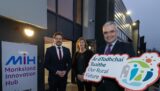
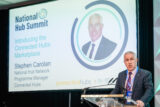
Minister for Rural and Community Development and the Gaeltacht, Dara Calleary TD, has announced that 400 hubs are now onboarded to ConnectedHubs.ie, meeting a key deliverable of Our Rural Future. The Minister made the announcement at the fourth National Hub Summit held in Ballinasloe, Co. Galway.

The Summit serves as a platform for international and Irish speakers, hub teams, representative bodies, state agencies and government departments to engage in discussions regarding the future strategic direction of the National Hub Network in Ireland.

Alongside key strategic discussions, the event focuses on knowledge sharing, networking and developing best practice.

Minister Calleary yesterday visited the 400th hub, Monksland Innovation Hub in Co. Roscommon.


Speaking at the summit, Minister Calleary said:

“Our Rural Future recognises the opportunity that remote working presents in terms of rejuvenating our rural towns and villages.

“I am delighted to announce that the 400th hub has been onboarded onto the Connected Hubs. Meeting this key deliverable under Our Rural Future demonstrates the Government’s commitment to remote working and to rural Ireland.

“As Minister for Rural and Community Development and the Gaeltacht, it is important to me that those who chose to live in rural Ireland are given the chance to avail of the increased remote working opportunities that have emerged in recent years.

“The hub network not only assists with these opportunities, it is helping to sustain the population in some rural areas, revitalise town centres, reduce commuting times and improve the quality of life for people.”

Allan Mulrooney, CEO of Western Development Commission said:

 Connected Hubs began as a pilot initiative in the Western Region and has since expanded to become a national network. Reaching 400 hubs marks a significant milestone in that journey and highlights the transformative impact that this initiative is having in communities across Ireland.

“Through our partnership with the Department of Rural and Community Development and the Gaeltacht, the Western Development Commission is proud to manage the Connected Hubs Network and to support the continued growth of remote working opportunities. Together, we are helping to sustain local communities, attract talent, and strengthen regional economies, delivering on the ambitions set out in Our Rural Future.”

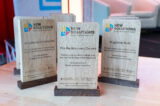
The Western Development Commission (WDC) has been announced as a key partner in a new national consortium delivering the New Solutions Social Innovation Hub, a €2.8 million initiative launched by Minister of State Jerry Buttimer.

The New Solutions programme is designed to enhance Ireland’s social innovation ecosystem by fostering active inclusion, promoting equal opportunities and participation, and improving employability for disadvantaged groups through the social enterprise model.

At the centre of the programme is the creation of a new Social Innovation Hub, which will provide capacity-building supports, an Ideas Academy for developing new social innovations, grant funding for projects at both pilot and scaling stages, as well as activities focused on awareness-raising, ecosystem development and impact learning.

The Hub will be delivered by a consortium led by Rethink Ireland, working in partnership with the Western Development Commission, Dublin City University, the Local Development Companies Network, Údarás na Gaeltachta and The Wheel.

The launch of the New Solutions Social Innovation Hub is an exciting step forward in how we support social innovation in Ireland. The Hub will act as a One-Stop-Shop for the sector and support innovative initiatives that can address social challenges and deliver transformative change for communities.

Jerry Buttimer, Minister of State, Department of Rural and Community Development and the Gaeltacht
Pictured: Emma Murtagh, Director, The Wheel, Máirin Ó Cuireáin, CEO, LDCN, Mario Vottero, Director Rethink Ireland, Minister Jerry Buttimer, Minister of State at the Department of Rural and Community Development and the Gaeltacht, Anne Graham, Social Enterprise & Social Innovation Manager, WDC, Rónán Mac Con Iomaire, Director of Regional, Community Development & Language Planning, Udaras.

This announcement is a strong endorsement of the potential of the West and Northwest to lead in social enterprise and inclusive innovation. The Social Innovation Hub aligns closely with our strategy Unlocking Potential, Driving Change and represents real progress on our Social Enterprise & Innovation pillar. We look forward to working with our partners and with our parent Department to turn this funding into tangible outcomes for communities across the region

Allan Mulrooney, CEO, WDC

The Social Innovation Hub will be an important driver of collaboration, learning and growth for social enterprises. It will connect people, ideas and supports in a more structured way, helping organisations to scale what works and to develop new approaches that make a difference on the ground. For the WDC, this is about enabling a stronger, more resilient social-enterprise ecosystem across the West and Northwest while contributing to national impact.

Anne Graham, Social Enterprise & Innovation Manager, WDC

The WDC is committed to the Social Enterprise & Innovation pillar of its new strategy Unlocking Potential, Driving Change: A Strategy for Regional Growth and Collaboration 2025–2029, and believes that this announcement represents a key milestone in delivering on that vision.

Ireland’s Connected Hubs model is breaking new ground in Europe, as regions in Finland and France begin rolling out pilot projects based directly on the Irish system. Through the CODIL Pilot Action, Ireland’s experience is now informing regional policy, digital infrastructure, and community hub strategy beyond its borders. Western Development Commission (WDC) oversees the Connected Hubs platform and network on behalf of the Department of Rural and Community Development and the Gaeltacht.

Allan Mulrooney, CEO of the WDC said the international adoption of the Connected Hubs model highlights Ireland’s growing influence in shaping the future of work:


The Connected Hubs initiative is proof that big ideas tested in the west of Ireland can scale internationally. What started as a regional innovation to support rural communities is now informing digital and enterprise policy across Europe. This international expansion shows how the WDC’s approach to pilot, prove and then scale can deliver real impact, not just for the west but for regions across the EU seeking to build smarter, more connected communities.

Allan Mulrooney, CEO, WDC

In recent months, Liam Horan and Leah Fairman, both WDC, represented Ireland at in-person engagements with regional stakeholders in South Ostrobothnia, Finland, and Laval, France, respectively. Their visits included site tours of coworking hubs, local SMEs, academic institutions and community innovation spaces in the context of how Ireland’s experience with remote work hubs can be tailored for local contexts.

CODIL is a European project that aims to improve regional innovation policy instruments to better support the emerging distributed-team innovation model and its key component – highly skilled mobile knowledge workers. As the nature of innovation has fundamentally changed, policy instruments that support innovation must also change if they are to effectively support this changed post-COVID innovation ecosystem. Údarás na Gaeltachta are among the lead partners in the project.

The CODIL project enables Finnish and French partners to trial the core functionalities of the Connected Hubs platform, including the hub directory, booking engine and event calendar. Through a ‘sandbox’ environment, these partners will simulate their own hub entries and explore the platform’s community management features. This phase will also include knowledge-sharing, applying lessons from Ireland’s approach to hub onboarding, community building and visibility.

These international engagements are a real vote of confidence in the Irish model. What began as a regional response to the needs of rural communities has grown into something with relevance far beyond our shores. It’s a reminder that local innovation when backed with the right support can lead the way in rethinking how we live and work

Stephen Carolan, Head of Connected Hubs and Digital Innovation, WDC

During his presentation in Seinäjoki, Liam Horan introduced the Connected Hubs project, from its inception within the Western Development Commission to becoming Ireland’s national remote working infrastructure. He outlined the impact of hub networks on regional enterprise, inclusion and climate goals, and discussed the roadmap for future platform developments.

Looking ahead, delegations from Finland, France and Scotland will attend the fourth annual National Hub Summit in Ballinasloe, Co. Galway on the 13th of November. They will join Irish and international speakers to discuss the evolving role of hubs in economic development, climate action and digital inclusion.

This international interest reinforces the value of Connected Hubs as a leading European good practice and strengthens Ireland’s reputation as a frontrunner in innovative and inclusive remote work infrastructure.

Following the earlier launch of the Irish chapter of Tale Smiths at Rathcroghan Visitor Centre in County Roscommon, the Western Development Commission (WDC) has announced the worldwide release of the full game on Steam, the world’s largest online platform for PC and Mac games.

Developed under the WDC-led N-LITE (Literary Tourism Immersive Technology Acceleration) project, this expanded version brings together stories from across the Northern Periphery and Arctic (NPA) region, offering players around the world the chance to explore Europe’s northern myths and landscapes. Released to coincide with Halloween, Tale Smiths reimagines regional folklore through immersive gameplay that blends heritage, literature and technology.

Now available as a free download on Steam, Tale Smiths allows players to discover the traditions and environments that define some of Europe’s most remote and culturally distinctive areas spanning Ireland, Finland, Sweden, Norway, Greenland, Iceland and the Faroe Islands.

The launch marks a major milestone for the N-LITE project and for the West of Ireland, positioning the region as a living testbed for creative innovation and international collaboration.

More than fifty creatives including writers, designers, developers and cultural practitioners contributed to Tale Smiths. Each chapter was developed with local communities to ensure authenticity and to showcase the depth of regional heritage. The featured tales include Ireland’s mythic Rathcroghan landscape in Tulsk, Sámi architecture in northern Scandinavia, and the works of Faroese author William Heinesen, together illustrating the diversity of Europe’s northern storytelling traditions.

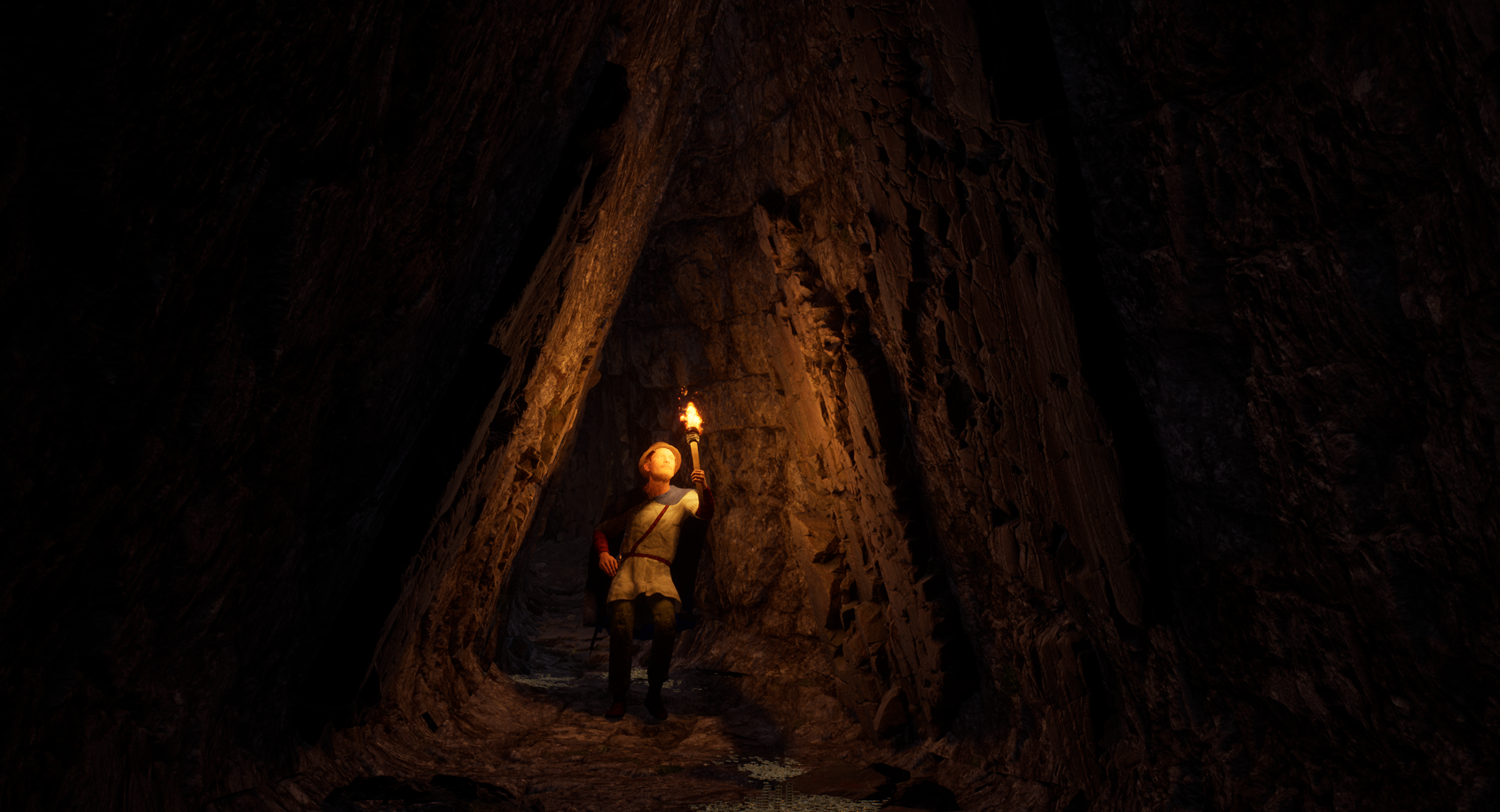
Ireland’s section focuses on Rathcroghan’s Cave of the Cats (Oweynagat), long described as Ireland’s “Gate to Hell” and a portal to the Otherworld. Players can step inside this legendary site and experience one of Europe’s richest mythological landscapes through immersive gameplay. A complementary on-site installation is also available at the Rathcroghan Visitor Centre in County Roscommon.

“Launching Tale Smiths on Steam takes the creativity of the West and the wider NPA region to a global stage,” said Allan Mulrooney, CEO of the Western Development Commission. “It shows how culture, storytelling and technology can come together to create new opportunities for innovation, collaboration and growth. Through initiatives like N-LITE, we are ensuring rural regions lead the way in shaping the future of digital creativity.”

Daniel Curley, Manager of Rathcroghan Visitor Centre, added: “The release of Tale Smiths on Steam brings our stories directly to audiences around the world. By combining archaeology, mythology and interactive design, we are connecting ancient heritage with modern players, inspiring curiosity, supporting local economies and keeping these traditions alive in new forms.”

Led by the Western Development Commission in Ireland, N-LITE is funded through the Interreg Northern Periphery and Arctic Programme. The €1.5 million initiative equips literary tourism SMEs with tools and training in immersive technologies such as interactive storytelling and game-engine visualisation, helping extend the reach of cultural heritage. Alongside Tale Smiths, N-LITE delivers workshops, resources and pilot programmes that promote youth engagement and sustainable development.

By linking partners across Ireland, Finland, Sweden, the Faroe Islands and Norway, the project demonstrates how the Northern Periphery and Arctic region can act as a shared platform for cultural innovation, connecting local stories to global audiences.

Tale Smiths is available now for free worldwide download on Steam: store.steampowered.com/app/3160560/Tale_Smiths/.

Released to coincide with the Halloween season, the game invites players to explore Ireland’s mythic Otherworld and the origins of Samhain through a new digital lens.

This initiative reflects the WDC’s 2025 to 2029 strategy to position the West of Ireland as the nation’s testbed for innovation where cultural heritage and creativity drive sustainable enterprise, international collaboration and future-facing growth.

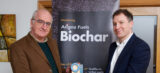
Arigna Group, one of Ireland’s most established names in solid fuel innovation, has announced an €800,000 investment to support the continued rollout of its new low-carbon product Harvest Flame, and to expand its biochar product range for use in the horticulture, agriculture, and construction industries.

The Western Development Commission (WDC) provided matching funding of €400,000 through its Western Investment Fund, alongside private co-investors contributing an additional €400,000.

The investment represents a major step forward in Arigna Groups transition from traditional solid fuels to sustainable alternatives, underpinning the company’s long-term commitment to decarbonisation and regional employment.

Brendan Layden, CEO of Arigna Group, said the investment will help the company maintain momentum on its transformation journey:

“This funding allows us to accelerate the rollout of our new product, Harvest Flame, and further develop our biochar range for horticulture, agriculture, and construction applications. It’s a vital step in our ongoing transition from black to green energy.  This investment ensures the stability of our existing workforce in the short term and positions us to scale and grow employment in the medium term.”


Established in Arigna, Co. Roscommon, the company has a heritage rooted in the region’s industrial past and is now firmly focused on sustainable energy innovation.

Allan Mulrooney, CEO of the Western Development Commission, said the WDC is proud to back companies that are redefining the economic landscape of the West:

“Arigna Group is a great example of a business embracing change and leading the shift toward sustainable industry. Their move from traditional solid fuels to greener, more innovative products reflects both the resilience of the company and the opportunity that exists across the western region. The WDC is delighted to support Arigna through the Western Investment Fund as they continue to innovate and build a more sustainable future for the local economy.”

The WDC’s Investment Fund provides equity and loan funding to enterprises across the Western Region, supporting job creation, regional innovation, and climate-conscious business growth.

Gillian Buckley, Head of Investment at the Western Development Commission, said:

“Supporting businesses like Arigna Group shows how investment can drive innovation and sustain quality jobs in rural Ireland. It’s about ensuring that counties like Roscommon continue to thrive as we move toward a low-carbon future.”

Following on from previous financial support, this investment underscores the WDC’s commitment to backing the next generation of green enterprises, while reinforcing Arigna Groups role as a cornerstone of sustainable industry in the west of Ireland.

Galway-based connected health start-up, FeelTect, has announced the commercial launch of its pioneering wound care device, Tight Alright, starting in Thun Hospital, Switzerland. The commercial launch coincides with the successful close of a €1.5 million investment round involving Irrus Investments, the Western Development Commission (WDC), and a network of angel investors.

Founded in 2019, FeelTect is transforming compression therapy with Tight Alright the world’s first connected health technology for measuring and monitoring compression therapy in real time. The innovation aims to improve clinical accuracy, enhance patient outcomes, and support remote care management for chronic wounds such as venous leg ulcers.

FeelTect’s commercial launch comes on the back of strong clinical data, as explained by Andrew Cameron, CEO and Co-Founder of FeelTect, “Our recent clinical studies show a threefold acceleration in healing rates for venous leg ulcer patients — a breakthrough that has the potential to redefine standards of wound care.” Darren Burke, CTO and Co-Founder of FeelTect, added “This launch marks a major milestone for FeelTect and for wound care globally. After years of rigorous testing and clinical validation, Tight Alright is now ready to empower clinicians and patients with real-time insights that will transform the model of care.”


Darren Burke, CTO, and Andrew Cameron, CEO, FeelTect
Andrew Cameron, CEO, and Darren Burke, CTO, FeelTect

Dr. Thomas Zehnder, Chief Physician and Co-Director of the Wound Centre at Thun Hospital, commented “Compression therapy is a critical element to the successful treatment of patients with venous leg ulcers and many other indications. Digital tools like FeelTect’s Tight Alright can advance our ability to control the dosage and maintenance of this gold standard treatment”. Marlise Blatti, Wound Expert and Co-Director of the Wound Centre at Thun Hospital added “We are looking forward to working with FeelTect to optimise the treatment and healing outcomes of our patients”.

The newly secured funding will support commercial rollout, regulatory expansion, and team growth as FeelTect scales operations from its headquarters in Spiddal, County Galway. The investment also positions the company to expand within Switzerland and pursue new markets in Europe, the United States, and Australia, where it already holds CE mark, FDA registration, and TGA certification, respectively.

Andrew Cameron highlighted the importance of the funding to the company’s pathway, “This investment enables us to bring Tight Alright to market and to patients who need it most.”

CEO of the Western Development Commission, Allan Mulrooney, commented:

“FeelTect embodies the innovation and ambition we aim to support in the West of Ireland. Their success demonstrates how regional start-ups can make a global impact with world-class technology.”

The investment builds on early-stage support from the Western Investment Fund, which was instrumental in helping FeelTect navigate the complex regulatory and technical pathways of medical device development.

As FeelTect prepares for full commercial rollout, the company remains committed to advancing connected health technologies that deliver measurable improvements in patient outcomes while reinforcing Ireland’s reputation as a global MedTech hub.

“We’re proud to be growing our team and scaling our operations right here in Spiddal,” added Burke. “The west of Ireland has everything we need to support our journey to becoming a global MedTech leader.”


Read their Case Study.

The Western Development Commission’s (WDC) Western Investment Fund (WIF) has reached a major milestone, having now invested €100 million across more than 350 SMEs, social enterprises, community projects and strategic regional initiatives throughout the Western Region.

The WIF is unique in Ireland as an evergreen investment fund, where all returns are reinvested into new start-ups and scale-ups. Since its establishment, the fund has more than tripled in size, and this €100 million milestone represents the fourth full revolution of the original exchequer funding received.

To date, WIF investment has leveraged over €1 billion in additional public and private capital, a tenfold multiplier effect that has significantly strengthened the enterprise landscape of the West.

WIF portfolio companies and projects now employ more than 5,000 people directly and indirectly, have generated over €5 billion in revenues, half of which are exports. Supported companies have collectively invested €650 million in R&D, underscoring the growing innovation capacity of the region.

The WIF is a multi-faceted fund, providing both venture capital to high-potential SMEs, and social finance to social enterprises and community-led development projects that support inclusive regional growth.

Representative investments include:

  • Innovative SMEs such as Aerogen whose technology has treated 75 million patients worldwide and developed the world’s first inhaled vaccine. Altocloud which was acquired by Genesys and now have their global headquarters for Generative AI Galway.
  • Social enterprises including Lough Ree Access for All, based in Roscommon provides employment and recreational opportunities for people with disabilities.
  • Community projects such as enterprise centres, creative hubs, and renewable energy co-operatives, which strengthen local economies and social infrastructure.  Burrishole Community Centre in Mayo the first new community centre to be developed in the region in the past decade, community centres are key focal points for communities offering range of services.
Allan Mulrooney, CEO of WDC, TD Dara Calleary, Minister for Rural and Community Development and the Gaeltacht, Gillian Buckley, Head of Investment, WDC.

Minister for Rural and Community Development and the Gaeltacht Dara Calleary TD, welcomed the announcement, saying:

The WIF has been providing equity finance and loans to businesses, communities, social enterprises, strategic initiatives, and the creative industry to enable them to establish themselves and grow in the Western Region for over 25 years. It has become a vital engine for sustainable economic development in the West and is an example of what regionally focused investment can achieve.
It has helped hundreds of businesses and community projects from Donegal to Clare, and this €100 million milestone demonstrates the real and lasting impact of the Fund

Gillian Buckley, Head of Investment at the WDC, added:

“The Western Investment Fund has been a cornerstone investor for the West — providing long-term, patient capital for businesses and communities that drive regional growth. What makes the fund truly distinctive is its circular nature: every euro returned is reinvested into the next generation of entrepreneurs, innovators, and community leaders. The WIF has not only supported the creation of jobs and enterprises, but has also helped shape a vibrant and sustainable regional economy and enterprise ecosystem.”

The WIF continues to play a pivotal role in developing the enterprise and innovation ecosystem in the Western Region, working with state agencies, local authorities, and private investors to ensure the region remains a dynamic and competitive contributor to Ireland’s national economy.

Allan Mulrooney, CEO of Western Development Commission said “our new strategy, Unlocking Potential, Driving Change, marks an ambitious next chapter for the Investment Fund. Over the next five years, we will invest an additional €35 million across 100 projects, driving innovation, sustainability, and competitiveness across the Western Region. Our focus is on building a stronger, more resilient regional economy that continues to deliver long-term growth and opportunity for the West and Northwest.”